Back to School Education Design Elements: Strategic Applications for Modern Creators and Businesses
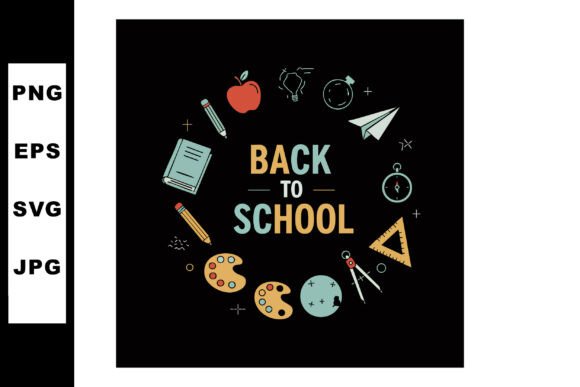
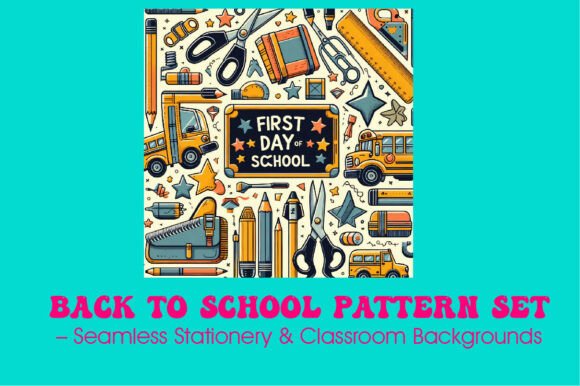
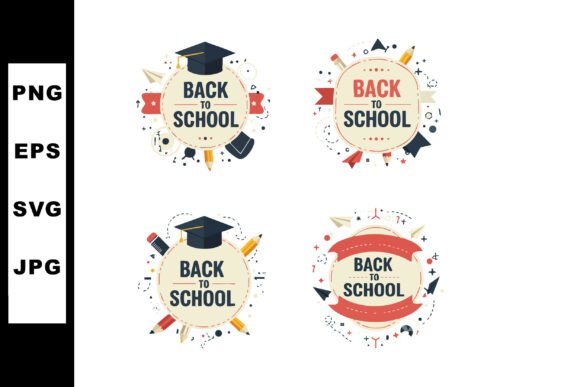
Back to School Education Design Elements are more than just visual motifs—they are strategic tools that can influence perception, enhance communication, and align creative efforts with broader objectives. This vector set featuring graduation caps, pencils, paper planes, and other educational icons in flat style is designed to evoke a bright, engaging, and forward-thinking mood. When used intentionally, these design elements can support branding, marketing, and content creation across various industries.
Understanding the Strategic Value of Back to School Education Design Elements
The appeal of Back to School Education Design Elements lies in their universal recognition and emotional resonance. These icons are deeply associated with learning, growth, and new beginnings. Whether you're launching an educational platform, promoting a product for students, or creating content around professional development, these visuals can help establish a clear narrative.
For marketers and entrepreneurs, these design elements serve as a bridge between abstract ideas and tangible outcomes. They can be used to communicate themes of progress, innovation, and accessibility. The flat-style aesthetic ensures versatility, making it easy to integrate into digital and print media without losing clarity or impact.
When and How to Use Back to School Education Design Elements Effectively
Strategic use begins with understanding your audience and goals. For instance, if you're targeting parents looking for educational resources, incorporating a pencil or graduation cap might signal reliability and focus on academic success. If your goal is to promote a creative workshop, a paper plane could represent exploration and idea generation.
Consider the following when integrating these elements:
- Align with brand identity: Ensure the design elements match your brand’s tone and values. A sleek, modern brand may prefer minimalist versions of these icons, while a community-focused organization might benefit from more illustrative styles.
- Use in context: Avoid placing these elements in isolation. Pair them with relevant text, colors, and layouts that reinforce the intended message.
- Balance and variety: While repetition can create consistency, overuse can dilute the message. Vary the placement and scale of elements to maintain visual interest.
Planning Your Use of Back to School Education Design Elements
Before relying on these design elements, consider the long-term implications of their use. Ask yourself: What message do I want to convey? Who is my audience? How does this align with my broader strategy?
Here are some planning tips:
- Define your purpose: Are you using these elements for marketing, education, or internal operations? Clarifying your intent will guide your design choices.
- Research your audience: Understand what resonates with them. For example, younger audiences may respond better to vibrant, playful designs, while professionals may prefer clean, minimal aesthetics.
- Test and iterate: Experiment with different combinations and observe how they perform. Use feedback to refine your approach over time.
Practical Examples of Application
Let’s explore a few practical examples of how these design elements can be applied strategically:
Example 1: Educational Website Redesign
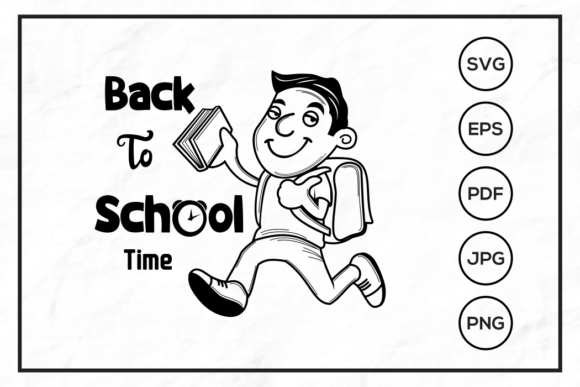
A tutoring company looking to refresh its website can incorporate these design elements to reinforce its commitment to learning. Using a flat-style illustration of a student holding a book alongside a call-to-action button can subtly encourage engagement and trust.
Example 2: Marketing Campaign for School Supplies
A small business selling school supplies can use a paper plane icon in its social media posts to symbolize the journey of learning. This visual metaphor can be paired with promotional offers or testimonials to build emotional connections with customers.
Example 3: Internal Training Materials
Organizations developing training programs can use these icons to make materials feel more approachable. A simple pencil graphic next to a lesson title can signal the importance of active participation and learning.
Potential Risks of Misusing Back to School Education Design Elements
While these design elements offer numerous benefits, misuse can lead to confusion or misalignment with your goals. Here are some risks to avoid:
- Lack of clarity: Using too many unrelated icons can create visual clutter and dilute your message. Always ensure each element serves a clear purpose.
- Cultural misinterpretation: Some symbols may carry different meanings in different contexts or cultures. Research and sensitivity are key to avoiding unintended messages.
- Over-saturation: Overusing familiar icons can make your content feel generic or unoriginal. Balance creativity with originality to stand out.
Intentional Integration for Long-Term Success
To achieve long-term results, think about how these design elements can become part of a larger system. For example, they can be embedded in your brand guidelines, used consistently across platforms, and adapted for seasonal campaigns. This approach ensures that your messaging remains cohesive and impactful over time.
Additionally, consider how these elements can support user experience. A well-designed interface with thoughtful visual cues can improve navigation, engagement, and overall satisfaction. This is particularly important for educational platforms or apps where usability directly affects learning outcomes.
Final Thoughts on Strategic Design Choices
Back to School Education Design Elements are powerful when used with intention. They can transform ordinary content into compelling narratives that resonate with your audience. By focusing on clarity, alignment, and purpose, you can leverage these visuals to achieve meaningful results—whether you're building a brand, launching a product, or enhancing user experiences.
Remember, the best design strategies are those that evolve with your goals. As you experiment and learn, continue refining your approach to ensure that every visual choice supports your broader vision and objectives.