Back to School Education Icons and Vector Illustrations: A Guide for Educators and Designers
Introduction to Back to School Educational Graphics
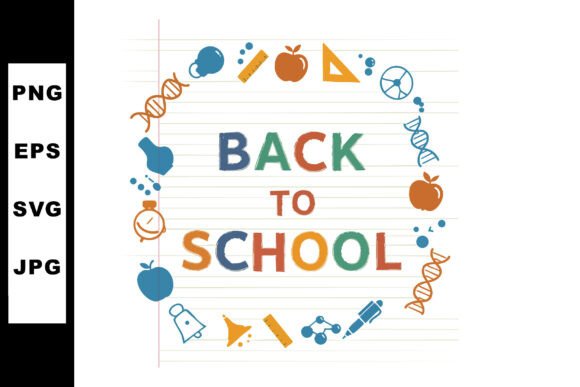
As the new school year approaches, educators, designers, and parents are often looking for creative ways to inspire students and make learning more engaging. One popular visual tool that has gained widespread use is Back to School Education Icons and vector illustrations of colorful back to school letters surrounded by education icons on a lined paper background. These graphics not only create a cheerful mood but also serve as valuable resources for classroom decoration, digital content creation, and marketing materials.
The downloadable ZIP file containing SVG, EPS, JPG, and PNG files offers versatility for various uses, from print to web design. In this article, we will explore the significance of these educational icons, their practical applications, and how they contribute to modern learning environments.
Understanding Back to School Education Icons
Education icons are visual symbols that represent concepts related to learning, teaching, and academic life. They include items such as books, pencils, rulers, backpacks, clocks, and more. When used in the context of Back to School, these icons help reinforce the theme of returning to learning after a break, whether it's summer vacation or a holiday break.
Icons are particularly useful because they convey meaning quickly and universally. For instance, a simple pencil icon can instantly communicate the idea of writing or drawing, while a globe icon might represent geography or global awareness. This makes them ideal for use in presentations, websites, and educational materials aimed at both children and adults.
The Role of Colorful Letters and Lined Paper Backgrounds
When paired with colorful back to school letters on a lined paper background, these icons become even more effective. The combination of bright colors and familiar textures like lined paper helps create a sense of nostalgia and comfort, especially for students who are transitioning back into the academic routine.
The lined paper background adds an authentic touch, reminding users of the traditional school experience. It also provides a clean and organized visual structure, making it easier to focus on the main elements—such as the letters and icons.
Practical Uses of Back to School Education Icons
The downloadable ZIP file includes multiple file formats, which means these icons can be used across different platforms and mediums. Here are some common applications:
- Classroom Decorations: Teachers can use these icons to create bulletin boards, posters, and other visual aids that encourage learning and excitement about the new school year.
- Digital Content Creation: Educators and content creators can incorporate these icons into PowerPoint presentations, e-books, and online learning modules to enhance visual appeal and engagement.
- Marketing Materials: Schools and educational institutions can use these icons in promotional campaigns, flyers, and social media posts to attract attention and convey a positive message about the upcoming academic year.
- Personalized Learning Tools: Parents and teachers can customize worksheets, flashcards, and learning activities using these icons to make the material more appealing to young learners.
Why Vector Files Matter for Educational Graphics
One of the key advantages of receiving vector files (such as SVG and EPS) is their scalability. Unlike raster images (JPG and PNG), vector graphics maintain their clarity and sharpness regardless of size. This makes them ideal for printing large banners, posters, or even small icons for digital screens.
For example, if you need to print a poster with these icons for your classroom wall, a vector file ensures that the image remains crisp and clear, no matter how large it is printed. Similarly, when designing a website or mobile app, vector files can be easily resized without losing quality, ensuring a seamless user experience across different devices.
Choosing the Right File Format
While SVG and EPS are best suited for scalable designs, JPG and PNG are more appropriate for web use and print where high-resolution raster images are needed. Understanding the differences between these formats allows you to choose the most suitable one for your specific project.
- SVG (Scalable Vector Graphics): Ideal for digital use and scalable designs. Great for websites, animations, and interactive content.
- EPS (Encapsulated PostScript): Best for high-quality print work. Often used in professional publishing and graphic design.
- JPG (Joint Photographic Experts Group): Commonly used for photographs and images with complex color gradients. Good for print and web.
- PNG (Portable Network Graphics): Supports transparency and is excellent for logos, icons, and images that require a transparent background.
Designing with a Cheerful Mood in Mind
Creating a cheerful mood through design is essential, especially when targeting younger audiences or promoting educational initiatives. The use of bright colors, playful fonts, and friendly icons can significantly impact the emotional response of viewers.
For instance, using warm colors like yellow and orange can evoke feelings of happiness and energy, while blue and green promote calmness and focus. Combining these colors with familiar educational icons helps reinforce the theme of learning in a fun and inviting way.
Additionally, the inclusion of lined paper backgrounds adds a sense of familiarity and tradition, which can be comforting for students who may feel anxious about returning to school. This thoughtful design approach not only enhances visual appeal but also supports the psychological well-being of learners.
Common Misconceptions About Educational Icons
Despite their popularity, there are some misconceptions about the use of educational icons that deserve clarification:
- Misconception 1: "Educational icons are only for children."
Reality: While many icons are designed with children in mind, they can be just as effective for adults in educational settings, corporate training, and even personal development. - Misconception 2: "All icons are interchangeable."
Reality: Each icon has its own meaning and context. Using the wrong icon can lead to confusion or misinterpretation. It's important to choose icons that accurately represent the intended message. - Misconception 3: "Vector files are too technical to use."
Reality: With the right tools and software, anyone can edit and use vector files. Many design platforms offer user-friendly interfaces that make working with vectors accessible to beginners.
Conclusion: Embracing the Power of Visual Learning
In today's fast-paced world, visual learning has become an essential part of education. Whether you're a teacher, designer, or parent, incorporating Back to School Education Icons and colorful vector illustrations into your projects can make a significant difference in how information is received and understood.
By choosing the right file format, understanding the purpose of each icon, and designing with a cheerful and engaging mindset, you can create content that resonates with your audience and enhances the learning experience. As we welcome the new school year, let’s embrace the power of visual communication and make learning more enjoyable for everyone involved.